Remote monitoring simplified

  • Plug-and-play, direct to cloud.
  • Massive data with no monthly cost.
  • Limitless solar power.
  • Endless applications.

Simple. Flexible. Endless possibilities.

Give any sensor a voice. Install in minutes. No setup required.

Sense anything

Get near real time cloud reporting from a solar powered, plug and play system that supports unlimited sensor options. All the data you need, with no monthly costs.

Featured solutions
Keeping Toxic Gases Bottled Up

Sulfur hexafluoride (SF₆) is a highly effective electrical insulator. This colorless, odorless gas is widely used inside high-voltage equipment and switchgear, such as the transformer shown here, operated by a public utility in the United Kingdom.

As an excellent insulator, SF₆ prevents electrical arcing and sparking within transformers, reducing the risk of malfunctions, fires, or equipment damage. However, it is also an extremely potent greenhouse gas, making leak prevention and early detection essential.

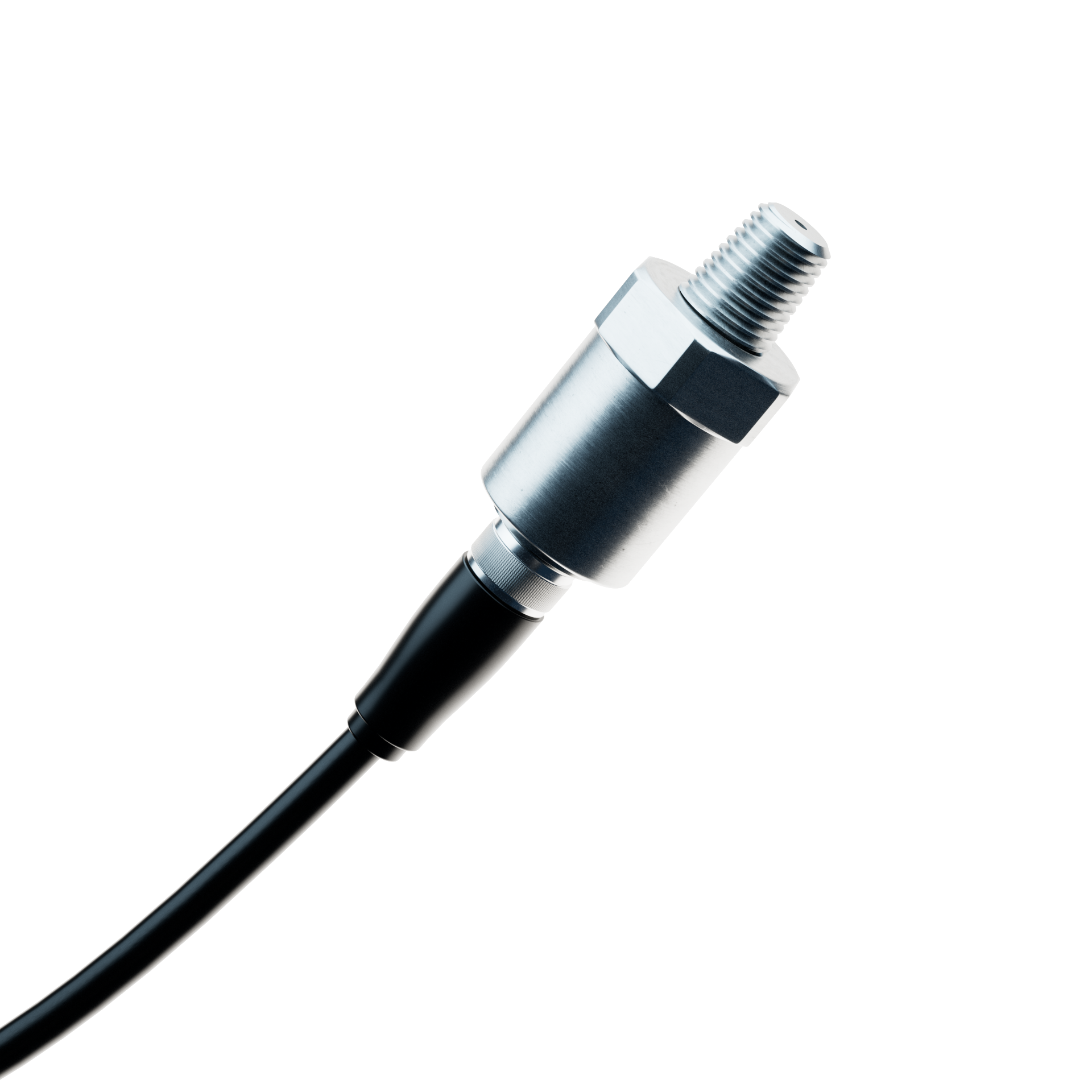
To mitigate this risk, the utility partnered with us to install high-resolution pressure sensors that continuously monitor the slight positive pressure maintained inside each transformer enclosure. This positive pressure helps keep oxygen and moisture out while serving as an early indicator of potential gas leaks.

Because gas pressure fluctuates naturally with temperature, both between day and night and as electrical load varies, we developed a custom software program that converts pressure readings into the actual mass volume of gas inside the transformer. This approach enables precise, real-time leak detection rather than relying on pressure alone.

The pressure sensors shown transmit hourly readings to a central server, where the data is processed and analyzed. Users can define high and low alarm thresholds, and if pressure drops outside expected ranges, alerts are triggered immediately. This allows maintenance teams to respond quickly, shutting down equipment and repairing leaks before safety, environmental, or reliability risks escalate.

The system also offers flexible power options. Both our Beast and Nano transmitters support external power through the same port as the sensor, ensuring uninterrupted operation even when solar charging is limited. The result is a reliable, year-round monitoring solution that protects critical infrastructure while reducing environmental impact.
 

Pressure-Standard
Underground: Unseen but Safe

A large public utility company operated a significant number of underground transformers, installed in vaults beneath manhole covers, located in residential neighborhoods. The problem was: many of these transformers were more than 40 years old, and over time, their age had begun to present serious safety concerns.

In several instances, debris buildup caused transformers to overheat, leading to dangerous pressure increases and, in some cases, manhole covers being blown off entirely. With these issues becoming a serious risk to the public, the utility needed a reliable way to monitor transformer health to detect temperature fluctuations and potential failures before they became hazardous.

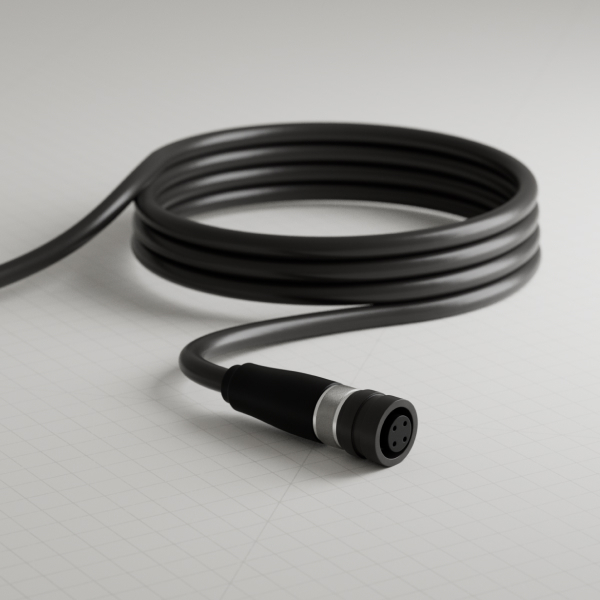
Building on our proven above-ground temperature monitoring technology, we developed a compact, underground-ready solution. The system pairs a high-resolution temperature sensor with a small transmitter via a short cable. For subterranean use, the unit was modified with a sealed enclosure in place of the solar panel and equipped with a long-life battery pack designed for extended operation in enclosed environments.

With an efficient software and data management system, each monitoring unit can operate continuously for more than 10 years on a single small battery. Temperature data is transmitted periodically to our secure server and forwarded to the utility’s monitoring system. Automated alarms notify operators when temperatures rise above normal thresholds, prompting immediate dispatch if a critical limit is reached.

With recent enhancements to the system, an innovative power-harvesting feature, a small current transformer (CT) is clamped around the power cables inside the vault. This allows for continuous energy generation and uninterrupted operation with no need for battery replacement. Our efficient circuitry and low-power software design enable near real-time data transmission, even when powered by the minimal energy available from the CT, roughly the equivalent of what could power a small household toaster.
 

Temperature
A Standard Sensor Turns Into Something Entirely New

A large Permian Basin operator operates numerous hydraulically and pneumatically actuated dump valves in its onshore field operations with a valve position monitoring system. These valves open and close frequently to unload vessels and redirect flow to other parts of the process.

While the pneumatic controls operated the valves reliably, engineers lacked detailed visibility into how often the valves were cycling and whether they were functioning properly. In some cases, valves would remain partially open, maintaining a small flow position that can accelerate wear and reduce valve life.

Our solution was a custom-designed monitoring system with a stationary horizontal sensing bar and a movable half-moon “puck” mounted to the valve stem. Within is a small embedded magnet, while the sensing bar houses a high-resolution, three-axis magnetometer. As the valve stem moves up and down, the magnet’s field changes, allowing precise detection of valve position.

In our lab, we calibrated the system by cycling a representative valve through its full range of motion, creating a detailed curve of magnetic field strength versus valve position. The electronics are highly accurate, providing position measurements within 1% of full scale.

The system captures data at high frequency (every five seconds instead of the usual one-minute interval) and transmits summarized data to the server every 15 minutes.

This solution gives the operator a new level of insight into valve performance and operating patterns. It provides early detection of abnormal behavior, reduces maintenance costs, and provides data that was previously unavailable through conventional instrumentation.
 

Solar
Keeping Toxic Gases Bottled Up

Sulfur hexafluoride (SF₆) is a highly effective electrical insulator. This colorless, odorless gas is widely used inside high-voltage equipment and switchgear, such as the transformer shown here, operated by a public utility in the United Kingdom.

As an excellent insulator, SF₆ prevents electrical arcing and sparking within transformers, reducing the risk of malfunctions, fires, or equipment damage. However, it is also an extremely potent greenhouse gas, making leak prevention and early detection essential.

To mitigate this risk, the utility partnered with us to install high-resolution pressure sensors that continuously monitor the slight positive pressure maintained inside each transformer enclosure. This positive pressure helps keep oxygen and moisture out while serving as an early indicator of potential gas leaks.

Because gas pressure fluctuates naturally with temperature, both between day and night and as electrical load varies, we developed a custom software program that converts pressure readings into the actual mass volume of gas inside the transformer. This approach enables precise, real-time leak detection rather than relying on pressure alone.

The pressure sensors shown transmit hourly readings to a central server, where the data is processed and analyzed. Users can define high and low alarm thresholds, and if pressure drops outside expected ranges, alerts are triggered immediately. This allows maintenance teams to respond quickly, shutting down equipment and repairing leaks before safety, environmental, or reliability risks escalate.

The system also offers flexible power options. Both our Beast and Nano transmitters support external power through the same port as the sensor, ensuring uninterrupted operation even when solar charging is limited. The result is a reliable, year-round monitoring solution that protects critical infrastructure while reducing environmental impact.
 

Pressure-Standard
Underground: Unseen but Safe

A large public utility company operated a significant number of underground transformers, installed in vaults beneath manhole covers, located in residential neighborhoods. The problem was: many of these transformers were more than 40 years old, and over time, their age had begun to present serious safety concerns.

In several instances, debris buildup caused transformers to overheat, leading to dangerous pressure increases and, in some cases, manhole covers being blown off entirely. With these issues becoming a serious risk to the public, the utility needed a reliable way to monitor transformer health to detect temperature fluctuations and potential failures before they became hazardous.

Building on our proven above-ground temperature monitoring technology, we developed a compact, underground-ready solution. The system pairs a high-resolution temperature sensor with a small transmitter via a short cable. For subterranean use, the unit was modified with a sealed enclosure in place of the solar panel and equipped with a long-life battery pack designed for extended operation in enclosed environments.

With an efficient software and data management system, each monitoring unit can operate continuously for more than 10 years on a single small battery. Temperature data is transmitted periodically to our secure server and forwarded to the utility’s monitoring system. Automated alarms notify operators when temperatures rise above normal thresholds, prompting immediate dispatch if a critical limit is reached.

With recent enhancements to the system, an innovative power-harvesting feature, a small current transformer (CT) is clamped around the power cables inside the vault. This allows for continuous energy generation and uninterrupted operation with no need for battery replacement. Our efficient circuitry and low-power software design enable near real-time data transmission, even when powered by the minimal energy available from the CT, roughly the equivalent of what could power a small household toaster.
 

Temperature
A Standard Sensor Turns Into Something Entirely New

A large Permian Basin operator operates numerous hydraulically and pneumatically actuated dump valves in its onshore field operations with a valve position monitoring system. These valves open and close frequently to unload vessels and redirect flow to other parts of the process.

While the pneumatic controls operated the valves reliably, engineers lacked detailed visibility into how often the valves were cycling and whether they were functioning properly. In some cases, valves would remain partially open, maintaining a small flow position that can accelerate wear and reduce valve life.

Our solution was a custom-designed monitoring system with a stationary horizontal sensing bar and a movable half-moon “puck” mounted to the valve stem. Within is a small embedded magnet, while the sensing bar houses a high-resolution, three-axis magnetometer. As the valve stem moves up and down, the magnet’s field changes, allowing precise detection of valve position.

In our lab, we calibrated the system by cycling a representative valve through its full range of motion, creating a detailed curve of magnetic field strength versus valve position. The electronics are highly accurate, providing position measurements within 1% of full scale.

The system captures data at high frequency (every five seconds instead of the usual one-minute interval) and transmits summarized data to the server every 15 minutes.

This solution gives the operator a new level of insight into valve performance and operating patterns. It provides early detection of abnormal behavior, reduces maintenance costs, and provides data that was previously unavailable through conventional instrumentation.
 

Solar
Keeping Toxic Gases Bottled Up

Sulfur hexafluoride (SF₆) is a highly effective electrical insulator. This colorless, odorless gas is widely used inside high-voltage equipment and switchgear, such as the transformer shown here, operated by a public utility in the United Kingdom.

As an excellent insulator, SF₆ prevents electrical arcing and sparking within transformers, reducing the risk of malfunctions, fires, or equipment damage. However, it is also an extremely potent greenhouse gas, making leak prevention and early detection essential.

To mitigate this risk, the utility partnered with us to install high-resolution pressure sensors that continuously monitor the slight positive pressure maintained inside each transformer enclosure. This positive pressure helps keep oxygen and moisture out while serving as an early indicator of potential gas leaks.

Because gas pressure fluctuates naturally with temperature, both between day and night and as electrical load varies, we developed a custom software program that converts pressure readings into the actual mass volume of gas inside the transformer. This approach enables precise, real-time leak detection rather than relying on pressure alone.

The pressure sensors shown transmit hourly readings to a central server, where the data is processed and analyzed. Users can define high and low alarm thresholds, and if pressure drops outside expected ranges, alerts are triggered immediately. This allows maintenance teams to respond quickly, shutting down equipment and repairing leaks before safety, environmental, or reliability risks escalate.

The system also offers flexible power options. Both our Beast and Nano transmitters support external power through the same port as the sensor, ensuring uninterrupted operation even when solar charging is limited. The result is a reliable, year-round monitoring solution that protects critical infrastructure while reducing environmental impact.
 

Pressure-Standard
Underground: Unseen but Safe

A large public utility company operated a significant number of underground transformers, installed in vaults beneath manhole covers, located in residential neighborhoods. The problem was: many of these transformers were more than 40 years old, and over time, their age had begun to present serious safety concerns.

In several instances, debris buildup caused transformers to overheat, leading to dangerous pressure increases and, in some cases, manhole covers being blown off entirely. With these issues becoming a serious risk to the public, the utility needed a reliable way to monitor transformer health to detect temperature fluctuations and potential failures before they became hazardous.

Building on our proven above-ground temperature monitoring technology, we developed a compact, underground-ready solution. The system pairs a high-resolution temperature sensor with a small transmitter via a short cable. For subterranean use, the unit was modified with a sealed enclosure in place of the solar panel and equipped with a long-life battery pack designed for extended operation in enclosed environments.

With an efficient software and data management system, each monitoring unit can operate continuously for more than 10 years on a single small battery. Temperature data is transmitted periodically to our secure server and forwarded to the utility’s monitoring system. Automated alarms notify operators when temperatures rise above normal thresholds, prompting immediate dispatch if a critical limit is reached.

With recent enhancements to the system, an innovative power-harvesting feature, a small current transformer (CT) is clamped around the power cables inside the vault. This allows for continuous energy generation and uninterrupted operation with no need for battery replacement. Our efficient circuitry and low-power software design enable near real-time data transmission, even when powered by the minimal energy available from the CT, roughly the equivalent of what could power a small household toaster.
 

Temperature
A Standard Sensor Turns Into Something Entirely New

A large Permian Basin operator operates numerous hydraulically and pneumatically actuated dump valves in its onshore field operations with a valve position monitoring system. These valves open and close frequently to unload vessels and redirect flow to other parts of the process.

While the pneumatic controls operated the valves reliably, engineers lacked detailed visibility into how often the valves were cycling and whether they were functioning properly. In some cases, valves would remain partially open, maintaining a small flow position that can accelerate wear and reduce valve life.

Our solution was a custom-designed monitoring system with a stationary horizontal sensing bar and a movable half-moon “puck” mounted to the valve stem. Within is a small embedded magnet, while the sensing bar houses a high-resolution, three-axis magnetometer. As the valve stem moves up and down, the magnet’s field changes, allowing precise detection of valve position.

In our lab, we calibrated the system by cycling a representative valve through its full range of motion, creating a detailed curve of magnetic field strength versus valve position. The electronics are highly accurate, providing position measurements within 1% of full scale.

The system captures data at high frequency (every five seconds instead of the usual one-minute interval) and transmits summarized data to the server every 15 minutes.

This solution gives the operator a new level of insight into valve performance and operating patterns. It provides early detection of abnormal behavior, reduces maintenance costs, and provides data that was previously unavailable through conventional instrumentation.
 

Solar
Keeping Toxic Gases Bottled Up

Sulfur hexafluoride (SF₆) is a highly effective electrical insulator. This colorless, odorless gas is widely used inside high-voltage equipment and switchgear, such as the transformer shown here, operated by a public utility in the United Kingdom.

As an excellent insulator, SF₆ prevents electrical arcing and sparking within transformers, reducing the risk of malfunctions, fires, or equipment damage. However, it is also an extremely potent greenhouse gas, making leak prevention and early detection essential.

To mitigate this risk, the utility partnered with us to install high-resolution pressure sensors that continuously monitor the slight positive pressure maintained inside each transformer enclosure. This positive pressure helps keep oxygen and moisture out while serving as an early indicator of potential gas leaks.

Because gas pressure fluctuates naturally with temperature, both between day and night and as electrical load varies, we developed a custom software program that converts pressure readings into the actual mass volume of gas inside the transformer. This approach enables precise, real-time leak detection rather than relying on pressure alone.

The pressure sensors shown transmit hourly readings to a central server, where the data is processed and analyzed. Users can define high and low alarm thresholds, and if pressure drops outside expected ranges, alerts are triggered immediately. This allows maintenance teams to respond quickly, shutting down equipment and repairing leaks before safety, environmental, or reliability risks escalate.

The system also offers flexible power options. Both our Beast and Nano transmitters support external power through the same port as the sensor, ensuring uninterrupted operation even when solar charging is limited. The result is a reliable, year-round monitoring solution that protects critical infrastructure while reducing environmental impact.
 

Pressure-Standard
Underground: Unseen but Safe

A large public utility company operated a significant number of underground transformers, installed in vaults beneath manhole covers, located in residential neighborhoods. The problem was: many of these transformers were more than 40 years old, and over time, their age had begun to present serious safety concerns.

In several instances, debris buildup caused transformers to overheat, leading to dangerous pressure increases and, in some cases, manhole covers being blown off entirely. With these issues becoming a serious risk to the public, the utility needed a reliable way to monitor transformer health to detect temperature fluctuations and potential failures before they became hazardous.

Building on our proven above-ground temperature monitoring technology, we developed a compact, underground-ready solution. The system pairs a high-resolution temperature sensor with a small transmitter via a short cable. For subterranean use, the unit was modified with a sealed enclosure in place of the solar panel and equipped with a long-life battery pack designed for extended operation in enclosed environments.

With an efficient software and data management system, each monitoring unit can operate continuously for more than 10 years on a single small battery. Temperature data is transmitted periodically to our secure server and forwarded to the utility’s monitoring system. Automated alarms notify operators when temperatures rise above normal thresholds, prompting immediate dispatch if a critical limit is reached.

With recent enhancements to the system, an innovative power-harvesting feature, a small current transformer (CT) is clamped around the power cables inside the vault. This allows for continuous energy generation and uninterrupted operation with no need for battery replacement. Our efficient circuitry and low-power software design enable near real-time data transmission, even when powered by the minimal energy available from the CT, roughly the equivalent of what could power a small household toaster.
 

Temperature
A Standard Sensor Turns Into Something Entirely New

A large Permian Basin operator operates numerous hydraulically and pneumatically actuated dump valves in its onshore field operations with a valve position monitoring system. These valves open and close frequently to unload vessels and redirect flow to other parts of the process.

While the pneumatic controls operated the valves reliably, engineers lacked detailed visibility into how often the valves were cycling and whether they were functioning properly. In some cases, valves would remain partially open, maintaining a small flow position that can accelerate wear and reduce valve life.

Our solution was a custom-designed monitoring system with a stationary horizontal sensing bar and a movable half-moon “puck” mounted to the valve stem. Within is a small embedded magnet, while the sensing bar houses a high-resolution, three-axis magnetometer. As the valve stem moves up and down, the magnet’s field changes, allowing precise detection of valve position.

In our lab, we calibrated the system by cycling a representative valve through its full range of motion, creating a detailed curve of magnetic field strength versus valve position. The electronics are highly accurate, providing position measurements within 1% of full scale.

The system captures data at high frequency (every five seconds instead of the usual one-minute interval) and transmits summarized data to the server every 15 minutes.

This solution gives the operator a new level of insight into valve performance and operating patterns. It provides early detection of abnormal behavior, reduces maintenance costs, and provides data that was previously unavailable through conventional instrumentation.
 

Solar
Keeping Toxic Gases Bottled Up

Sulfur hexafluoride (SF₆) is a highly effective electrical insulator. This colorless, odorless gas is widely used inside high-voltage equipment and switchgear, such as the transformer shown here, operated by a public utility in the United Kingdom.

As an excellent insulator, SF₆ prevents electrical arcing and sparking within transformers, reducing the risk of malfunctions, fires, or equipment damage. However, it is also an extremely potent greenhouse gas, making leak prevention and early detection essential.

To mitigate this risk, the utility partnered with us to install high-resolution pressure sensors that continuously monitor the slight positive pressure maintained inside each transformer enclosure. This positive pressure helps keep oxygen and moisture out while serving as an early indicator of potential gas leaks.

Because gas pressure fluctuates naturally with temperature, both between day and night and as electrical load varies, we developed a custom software program that converts pressure readings into the actual mass volume of gas inside the transformer. This approach enables precise, real-time leak detection rather than relying on pressure alone.

The pressure sensors shown transmit hourly readings to a central server, where the data is processed and analyzed. Users can define high and low alarm thresholds, and if pressure drops outside expected ranges, alerts are triggered immediately. This allows maintenance teams to respond quickly, shutting down equipment and repairing leaks before safety, environmental, or reliability risks escalate.

The system also offers flexible power options. Both our Beast and Nano transmitters support external power through the same port as the sensor, ensuring uninterrupted operation even when solar charging is limited. The result is a reliable, year-round monitoring solution that protects critical infrastructure while reducing environmental impact.
 

Pressure-Standard
Underground: Unseen but Safe

A large public utility company operated a significant number of underground transformers, installed in vaults beneath manhole covers, located in residential neighborhoods. The problem was: many of these transformers were more than 40 years old, and over time, their age had begun to present serious safety concerns.

In several instances, debris buildup caused transformers to overheat, leading to dangerous pressure increases and, in some cases, manhole covers being blown off entirely. With these issues becoming a serious risk to the public, the utility needed a reliable way to monitor transformer health to detect temperature fluctuations and potential failures before they became hazardous.

Building on our proven above-ground temperature monitoring technology, we developed a compact, underground-ready solution. The system pairs a high-resolution temperature sensor with a small transmitter via a short cable. For subterranean use, the unit was modified with a sealed enclosure in place of the solar panel and equipped with a long-life battery pack designed for extended operation in enclosed environments.

With an efficient software and data management system, each monitoring unit can operate continuously for more than 10 years on a single small battery. Temperature data is transmitted periodically to our secure server and forwarded to the utility’s monitoring system. Automated alarms notify operators when temperatures rise above normal thresholds, prompting immediate dispatch if a critical limit is reached.

With recent enhancements to the system, an innovative power-harvesting feature, a small current transformer (CT) is clamped around the power cables inside the vault. This allows for continuous energy generation and uninterrupted operation with no need for battery replacement. Our efficient circuitry and low-power software design enable near real-time data transmission, even when powered by the minimal energy available from the CT, roughly the equivalent of what could power a small household toaster.
 

Temperature
A Standard Sensor Turns Into Something Entirely New

A large Permian Basin operator operates numerous hydraulically and pneumatically actuated dump valves in its onshore field operations with a valve position monitoring system. These valves open and close frequently to unload vessels and redirect flow to other parts of the process.

While the pneumatic controls operated the valves reliably, engineers lacked detailed visibility into how often the valves were cycling and whether they were functioning properly. In some cases, valves would remain partially open, maintaining a small flow position that can accelerate wear and reduce valve life.

Our solution was a custom-designed monitoring system with a stationary horizontal sensing bar and a movable half-moon “puck” mounted to the valve stem. Within is a small embedded magnet, while the sensing bar houses a high-resolution, three-axis magnetometer. As the valve stem moves up and down, the magnet’s field changes, allowing precise detection of valve position.

In our lab, we calibrated the system by cycling a representative valve through its full range of motion, creating a detailed curve of magnetic field strength versus valve position. The electronics are highly accurate, providing position measurements within 1% of full scale.

The system captures data at high frequency (every five seconds instead of the usual one-minute interval) and transmits summarized data to the server every 15 minutes.

This solution gives the operator a new level of insight into valve performance and operating patterns. It provides early detection of abnormal behavior, reduces maintenance costs, and provides data that was previously unavailable through conventional instrumentation.
 

Solar
Your price, simplicity of installation, and service win against the older style system.
Jon Shannon, XOG Resources

But wait, there’s more to life.

Give any sensor a voice. Install in minutes. No setup required.

No monthly fees

A fresh approach - no accounting hassles, no operating expenses. Here’s one subscription you can skip.

Send data anywhere

Delivered securely to your cloud, your server, via open our open API or MQTT. Integration is simple and flexible.

Closing the gap with SCADA

Our uniquely embedded solar panel, purpose-built hardware, and optimized firmware deliver high frequency, near real-time data and immediate alarms.

Any sensor you want

Connect any loop-powered sensor or Modbus device. The transmitter automatically recognizes it and begins sending data.

Rugged and ready

Fully sealed transmitters are paired with state-of-the-art solar charged batteries for years of extreme-temperature operation.

Size changes everything

Unlock entirely new applications with an ultra-small, install-anywhere, AI-ready platform.