Machine Health Monitoring: Simplified
Throughout the Permian Basin in Texas and New Mexico, a large multinational oil company installed several hundred transfer pumps that continuously start and stop depending on tank levels and pipeline readiness. After some time, the field personnel noticed that many of the pumps were operating erratically, frequently turning on and off. This constant cycling caused severe mechanical stress and shock, and excessive wear, leading the pumps to fail sooner than expected.
To address this issue, the company asked us to develop a vibration monitoring system that could detect when pumps were running, when they were idle, and when they were struggling or under unusual load conditions.
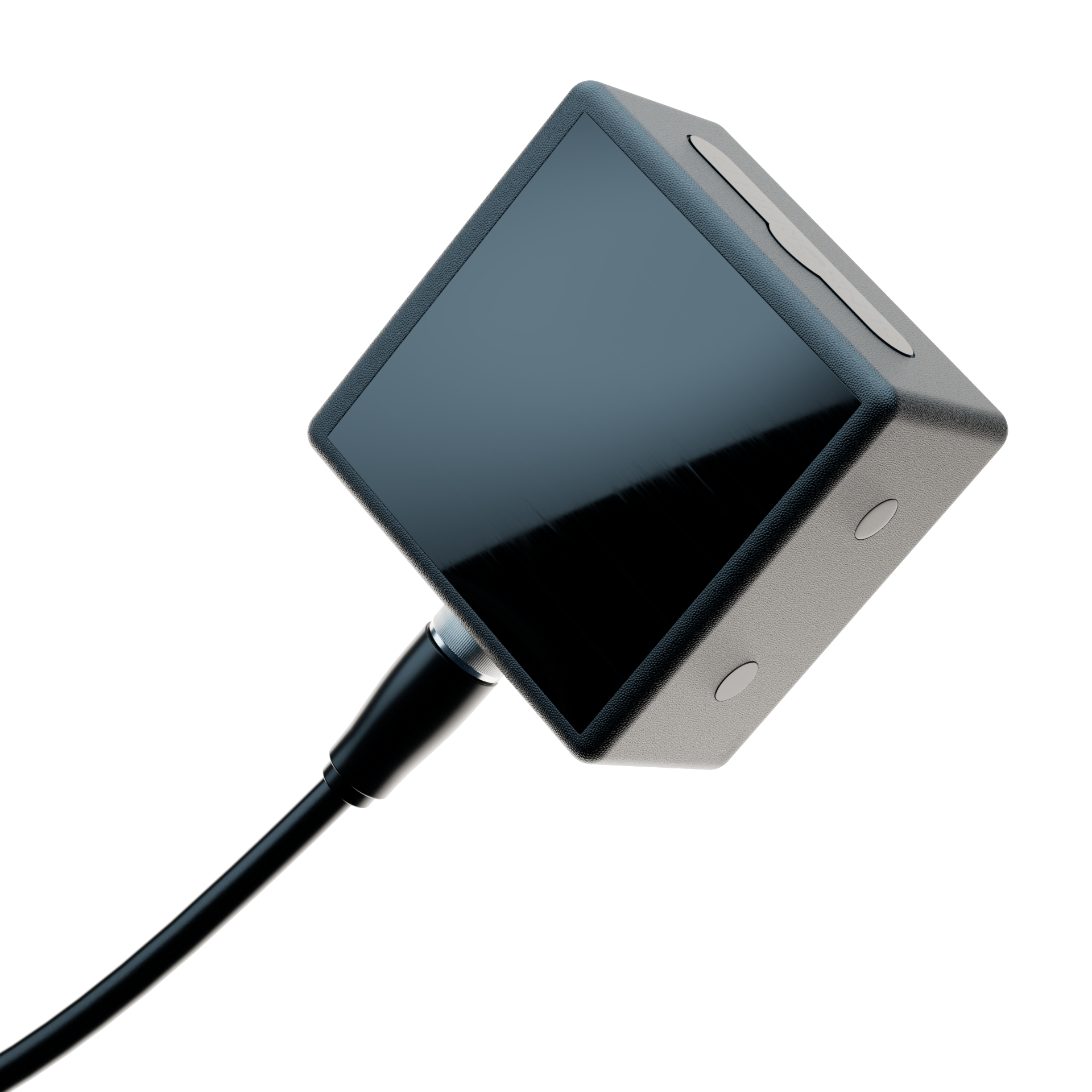
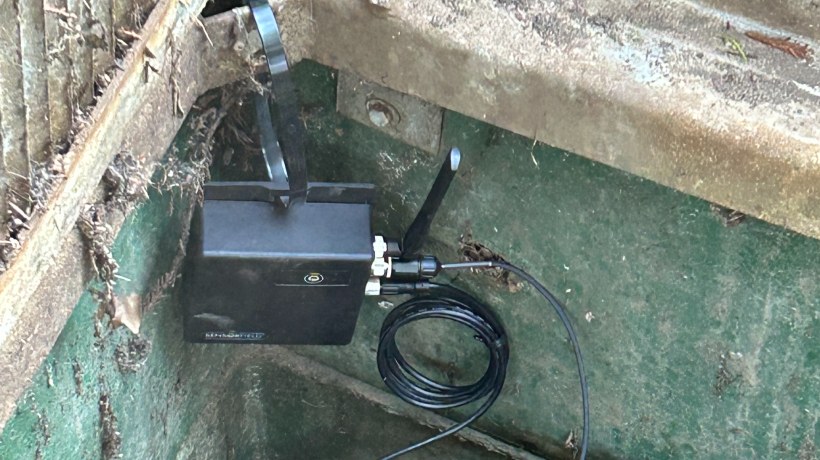
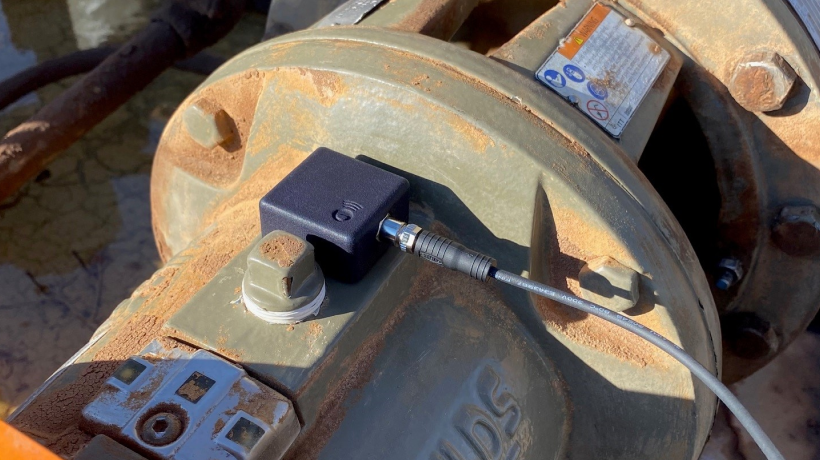
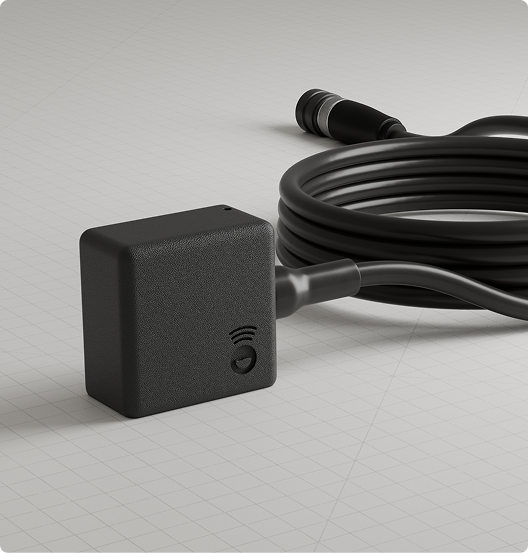
This photograph shows the vibration sensor we designed: a compact, three-axis accelerometer that is highly sensitive, accurate, and easy to install. Field personnel can simply attach the magnetic base directly to the pump's metal housing, and a single cable connects the sensor to our standard transmitter. Push the transmitter button and instantly go online, no configuration necessary.
A unique feature of our system is its ability to compute a Fourier frequency spectrum in real time with every reading. This spectral data is transmitted to the server at frequent intervals, allowing engineers to perform advanced analysis or run AI-based diagnostics.
Our web dashboard provides a quick visualization of vibration patterns, displaying frequency bands in color-coded heat maps for fast screening. For more detailed analysis and precise tracking of subtle mechanical trends, the system can transmit high-resolution data with up to 256 frequency bins.
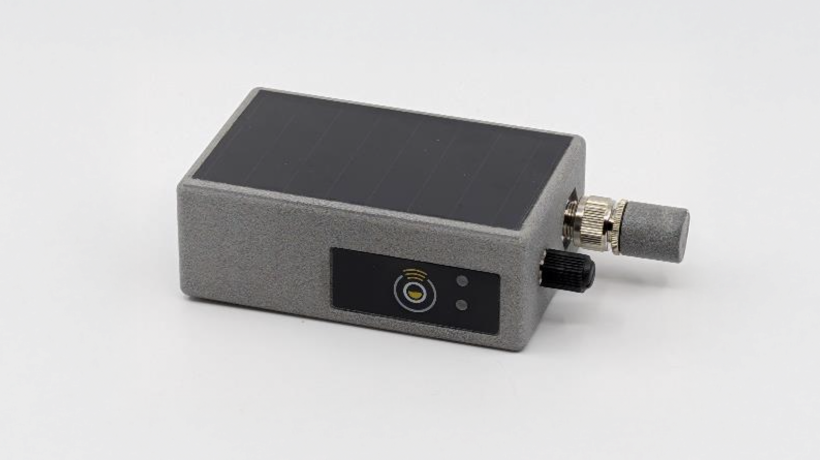
Because the transmitter is solar-powered, it can collect and send data frequently throughout the day, which isn't possible with a battery-only system. This high-frequency data transmission detects granular performance trends, such as variations caused by temperature swings in West Texas or by changes in fluid properties. As a result, operators can distinguish between normal daily fluctuations and early warning signs of mechanical problems.
Related Sensors